Why a Vintage Wash Tee Is Not the Same as a Pigment-Dyed Tee (And Why It Matters for Production)
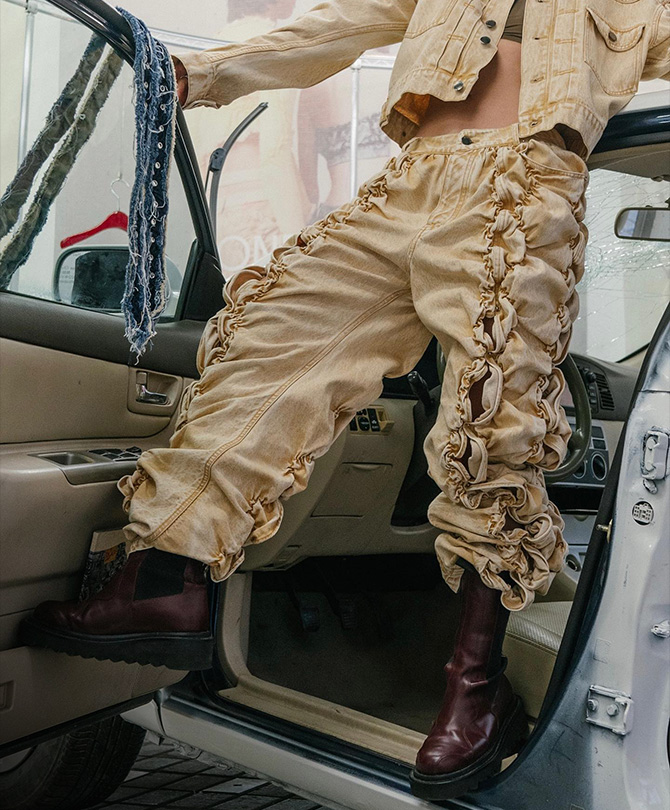
What fabric works best for oversized washed embroidery T-shirts
An oversized washed tee with custom embroidery looks effortless on a rack, but most production problems start before sewing even begins. The surface appeal of streetwear is driven by culture and design, yet the execution relies entirely on manufacturing discipline. When a brand attempts to scale a complex piece like an acid-washed, heavy-cotton oversized t-shirt featuring dense embroidery, the true challenge is not finding a factory that can make one good sample. The challenge is finding a streetwear manufacturer that can maintain fabric stability, control shrinkage, and prevent embroidery distortion across hundreds or thousands of units.
Consumers may not know the technical difference between 210 GSM carded cotton and 280 GSM combed French Terry, but they immediately feel the difference in drape, structure, and longevity. Many independent brands with real traction discover that their initial fabric choices fail during bulk production, leading to sample-to-bulk mismatch, silhouette imbalance, and batch-level variation. This article breaks down why fabric selection is the most critical decision in custom streetwear development and how product development teams should evaluate materials before committing to scale.
Why is streetwear manufacturing more technical than basic apparel production?
Basic apparel production focuses on speed and cost reduction using standardized blanks, while premium streetwear manufacturing requires custom pattern development, heavier fabrics, complex wash treatments, and precise sample-to-bulk alignment to protect the brand's visual identity and product consistency.
Streetwear is not just another category of casual clothing; it is a highly specialized segment where the garment's architecture and finish are as important as the graphic on it. When established streetwear brands develop an oversized t-shirt, they are not simply taking a standard blank and sizing it up. True oversized fit requires real pattern development. The drop shoulder must hit at the exact right point on the arm, the chest width must balance with the body length to avoid looking like a dress, and the neckline must remain tight enough to sit cleanly on the collarbone while the rest of the garment drapes loosely.
This structural demand means that standard lightweight jersey fabrics (typically around 150-180 GSM) used in fast fashion will fail. They lack the necessary rigidity to hold an oversized silhouette and will cling to the body rather than draping away from it. Furthermore, streetwear relies heavily on post-production treatments like acid wash, stone wash, or enzyme wash to achieve a vintage or lived-in aesthetic. These aggressive wash techniques break down the fibers of the fabric. If a brand starts with a weak or lightweight cotton, the wash process will destroy the garment, causing severe shrinkage, twisting seams (torqueing), and compromised structural integrity.
Therefore, custom streetwear development requires a manufacturing partner who understands how fabric weight, yarn quality, and construction techniques interact with aggressive finishing processes. The technical threshold is significantly higher because the product must survive intense treatments while maintaining a precise, custom-developed fit.
What fabric weight works best for oversized washed streetwear tees?
For an oversized washed streetwear t-shirt, a heavyweight 100% cotton fabric ranging from 240 GSM to 300 GSM works best. This weight provides the necessary structure to hold a boxy silhouette, withstands aggressive wash treatments without deteriorating, and supports dense embroidery without puckering.
Fabric weight, measured in Grams per Square Meter (GSM), is the foundation of premium streetwear production. When brands with validated market demand move to scale their oversized tee programs, they quickly realize that weight dictates both the aesthetic and the technical viability of the product.
For an oversized fit, the fabric needs structure. A 240 GSM to 300 GSM (approximately 7 to 9 oz/yd²) heavyweight cotton jersey provides a rigid, boxy drape that falls cleanly from the shoulders without clinging to the torso. This weight ensures that the silhouette intended by the design team is actually realized in the final product.
Beyond aesthetics, the weight is crucial for surviving the wash process. Vintage washes, acid washes, and heavy enzyme washes physically degrade the cotton fibers to achieve that soft, faded look. A 180 GSM t-shirt might lose 15-20% of its weight and structural integrity during a heavy stone wash, resulting in a flimsy, misshapen garment that shrinks unpredictably. A 280 GSM heavyweight cotton, however, has the density to absorb the wash process, softening perfectly while retaining enough strength to hold its shape and fit.
Procurement teams must also consider the yarn type. Open-end (carded) cotton provides a rougher, more authentic vintage texture that takes well to aggressive washes, while combed cotton offers a smoother, cleaner surface. For washed streetwear tees, many brands prefer a high-quality carded cotton or a blend that balances durability with that classic, slightly textured hand-feel.
How do wash techniques change bulk production risk?
Wash techniques introduce severe risks of shrinkage, color inconsistency, and fabric degradation during bulk production. A specialized streetwear factory mitigates these risks by conducting extensive wash testing, adjusting patterns for calculated shrinkage, and maintaining strict batch-level control.
The wash process is where many growing apparel programs face catastrophic failures. An acid wash or vintage wash is not a simple dye job; it is a chemical and physical process that alters the garment permanently. When a brand approves a perfect pre-production sample (PPS), they are looking at one unit. The reality of bulk production is that achieving that exact same wash effect across 1,000 units requires immense technical control.
The primary risk is shrinkage. A heavy enzyme or stone wash can cause cotton to shrink anywhere from 3% to 10%. If the pattern development phase did not account for this specific shrinkage rate, the final bulk order will arrive one or two sizes smaller than intended. A specialized will cut and sew the garments larger than the final spec, anticipating the exact shrinkage percentage that will occur during the wash phase. This requires precise calculation and sample-to-bulk alignment.
The second risk is batch-level variation. Acid washing involves applying bleach or other chemicals unevenly to create a distressed look. In a bulk run, maintaining consistency in the "randomness" of the wash is incredibly difficult. Weak factories will produce batches where some shirts are nearly white and others are barely faded. A reliable OEM streetwear manufacturer controls the chemical concentration, water temperature, and wash time meticulously to ensure that while each piece is unique, the entire run falls within an acceptable, pre-approved visual tolerance.
Finally, the wash process affects the fabric hand-feel. A wash that is too aggressive will leave the fabric feeling brittle and prone to tearing, while a wash that is too light will fail to achieve the desired vintage softness. Product teams must evaluate not just how the sample looks, but how the fabric feels and performs after the wash.
Why does dense embroidery require specific fabric choices?
Dense embroidery requires a heavyweight, tightly knit fabric to prevent puckering, distortion, and needle holes. If the fabric is too light or loosely woven, the tension of the embroidery thread will pull the fabric out of shape, ruining the garment's fit and aesthetic.
Embroidery is a staple of premium streetwear, offering a tactile, high-value branding method that elevates the garment. However, embroidery adds significant tension and weight to a specific area of the fabric. When a brand designs a large, dense chest embroidery or a complex appliqué, the fabric must act as a stable canvas.
If a brand attempts to apply a 20,000-stitch embroidery design to a standard 180 GSM t-shirt, the result is almost always a failure. The fabric cannot support the weight and tension of the thread. This leads to "puckering"—where the fabric bunches and wrinkles around the embroidery—and can even cause the fabric to tear around the needle holes during wear or washing. Furthermore, when an oversized tee drapes, a heavy embroidery on a light fabric will cause the chest to sag awkwardly, destroying the silhouette.
This is why a 240 GSM to 300 GSM heavyweight cotton is essential for embroidered streetwear tees. The density of the knit provides the necessary stability to hold the stitches without distorting. Additionally, experienced streetwear manufacturing partners will use appropriate backing (stabilizers) during the embroidery process to further reinforce the area.
The sequence of production also matters immensely. For a washed, embroidered tee, the factory must decide whether to embroider before or after the wash. Embroidering before a heavy acid wash can cause the embroidery thread to absorb the wash chemicals, altering its color or degrading the thread. Conversely, embroidering after the wash means the fabric has already shrunk, providing a more stable base, but requires careful handling to ensure the placement remains accurate on the pre-shrunk, slightly distorted garment. This level of process planning separates a basic apparel vendor from a true custom streetwear manufacturer.
What should procurement teams check before approving a heavyweight hoodie or tee sample?
Procurement teams must verify the fabric's GSM, evaluate the hand-feel after washing, measure the exact dimensions against the tech pack to confirm shrinkage control, and inspect the embroidery for puckering, placement accuracy, and thread tension.
When established streetwear brands move from the design phase to sample approval, the procurement and product development teams must look past the visual aesthetic and evaluate the technical execution. A sample that looks good in a photo but fails these technical checks will inevitably lead to bulk production disasters.
First, verify the fabric weight. Request the exact GSM and confirm it matches the tech pack. Feel the fabric to ensure it has the correct density and structure to support the oversized fit.
Second, evaluate the wash execution. Is the fading consistent with the design intent? More importantly, check the seams. Are the side seams twisting? Is the collar baconing (waving)? These are signs that the fabric was not properly pre-shrunk or that the pattern was not cut on the correct grainline before washing.
Third, measure the sample meticulously. Compare the chest width, body length, shoulder drop, and sleeve length against the tech pack tolerances. If the sample is supposed to be an oversized fit but measures like a standard fit, the factory failed to account for wash shrinkage during pattern development.
Fourth, inspect the embroidery or print. Look at the back of the embroidery—is the stabilizer clean and properly trimmed? Is there any puckering around the edges? For prints, stretch the fabric slightly to ensure the ink does not crack prematurely, which is a common issue when printing on heavily washed or textured fabrics.
Finally, consider the overall sample-to-bulk alignment. Ask the manufacturer how they plan to replicate this exact wash and fit across 2,000 units. A premium streetwear production partner will have a clear, documented process for scaling the sample, including grading rules, shrinkage calculations, and quality control checkpoints.
How do brands compare a general apparel factory with a specialized streetwear manufacturer?
A specialized streetwear manufacturer offers custom pattern development, expertise in heavyweight fabrics and complex washes, and robust sample-to-bulk control, whereas a general apparel factory typically relies on standard blanks, basic printing, and lacks the technical discipline for premium streetwear execution.
As independent brands with real traction scale their operations, they often outgrow their initial suppliers. The transition from printing on high-quality blanks to full custom cut-and-sew production requires a shift in sourcing strategy.
A general apparel factory is optimized for volume and simplicity. They excel at producing standard t-shirts, basic hoodies, and corporate uniforms. When tasked with an oversized, acid-washed, heavyweight embroidered tee, they will likely struggle. They may try to use their standard grading rules to make an "oversized" fit simply by sizing up an XL to an XXL, resulting in a poorly proportioned garment. They may lack the specialized wash facilities required for consistent acid washing, leading to massive batch variations.
In contrast, an OEM streetwear manufacturer is built around product complexity. They understand that a 300 GSM t-shirt requires different sewing machine tensions and needle sizes than a 150 GSM shirt. They know how to engineer a pattern that anticipates 6% shrinkage from an enzyme wash. For brands looking at China-based , is one example associated with technique-intensive production, demonstrating the capability to handle complex wash and embroidery combinations while maintaining strict quality control.
The key difference lies in pre-production discipline. A specialized factory will conduct extensive fabric testing, wash testing, and print/embroidery testing before ever cutting the bulk fabric. They prioritize sample-to-bulk consistency, ensuring that the 1,000th unit looks and feels exactly like the approved pre-production sample. For streetwear brands with proven sales, partnering with a manufacturer that understands these cultural and technical nuances is not just a sourcing decision; it is a brand protection strategy.
Conclusion: The Manufacturing Reality of Premium Streetwear
The success of an oversized washed embroidery t-shirt does not depend solely on the creative director's vision; it depends on the manufacturing system's ability to execute that vision consistently. Fabric selection—specifically choosing a heavyweight cotton capable of withstanding aggressive washes and supporting dense embroidery—is the critical first step.
However, the fabric alone is not enough. It requires precise pattern development to achieve the true oversized silhouette, meticulous wash control to manage shrinkage and color variation, and expert sewing and finishing to bring the garment together. As streetwear labels with clear product direction look to scale, they must move beyond seeking the lowest quote and focus on finding a streetwear manufacturer capable of delivering premium, repeatable execution. The brands that win are those that understand that in streetwear, the manufacturing is the product.
Can One Streetwear OEM Manufacturer Handle Complex Decoration and Scalable Bulk Production?
Most sourcing problems do not appear when a factory says yes. They appear later, when heavyweight fleece, custom trims, vintage wash effects, cracking print execution, and delivery timing all have to line up at the same time. For established streetwear brands scaling their collections, finding a factory that can handle a single technique is rarely the issue. The real challenge is finding an OEM streetwear manufacturer that can coordinate multiple complex decoration methods while maintaining strict sample-to-bulk consistency.
When a brand moves beyond basic apparel and starts developing technique-heavy programs, the manufacturing requirements shift dramatically. It is no longer just about sewing panels together. It becomes an exercise in supply chain density, technique coordination, and bulk-ready control. This piece examines whether a single streetwear production partner can truly manage complex decoration alongside scalable volume — and what procurement teams must look for when evaluating their options.
Why Does Complex Decoration Make Streetwear Production Harder to Scale?
Complex decoration in streetwear requires specialized coordination across multiple facilities, meaning a single garment often undergoes several treatments before finishing. When scaling bulk production, the risk of failure increases exponentially because wash effects, print placements, and embroidery tension must remain identical across thousands of units.
Streetwear is fundamentally driven by visual identity and tactile experience. A single hoodie might require a 400gsm custom-milled french terry, an enzyme wash to achieve a faded hand-feel, a high-density puff print on the chest, and an intricate appliqué patch on the sleeve. On paper, a factory may look capable of executing each step. In reality, these processes often conflict with one another.
Washing a garment after printing can cause the graphic to crack or peel unpredictably. Embroidering on a heavyweight fabric that has not been properly pre-shrunk can lead to puckering and silhouette imbalance. When independent brands with real traction attempt to scale these programs, they often discover that their current factories lack the internal systems to manage this sequence. The breakdown usually happens not during the sampling phase, but during bulk cutting and sewing control. If the streetwear manufacturer does not have a tight grip on the production calendar and the specific sequence of operations, delays and batch-level variations become inevitable.
How Do Wash, Print, and Embroidery Coordination Affect Bulk Execution?
Wash, print, and embroidery coordination determines whether a complex design can survive bulk manufacturing. If an OEM streetwear manufacturer cannot control the sequence and tolerance of these techniques, the result is inconsistent shrinkage, graphic misalignment, and unacceptable batch variation.
One of the most common misconceptions in apparel sourcing is that any factory that can print can also handle complex streetwear finishes. In practice, technique-heavy streetwear programs require a deep understanding of how materials react under stress. When a brand requests a vintage wash combined with a distressed hem and a cracked print, the factory must calculate the exact shrinkage rate of the fabric before cutting the pattern.
If the wash house and the print facility are not tightly coordinated by the main cut-and-sew streetwear factory, the entire batch is at risk. Procurement teams often encounter this when a pre-production sample looks perfect, but the bulk delivery features graphic placements that sit two inches too high because the fabric shrank more than anticipated during the final wash.
This is why supply chain density matters. In regions with highly specialized apparel ecosystems, such as certain manufacturing hubs in China, the physical proximity of dye houses, print shops, and embroidery facilities allows the manufacturer to test and adjust these variables in real time. A manufacturer for streetwear clothing brands that operates within a dense supply chain can run simultaneous print and wash testing before bulk cutting begins, significantly reducing the risk of sample-to-bulk mismatch.
Why Do Fabric and Trim Choices Dictate the Success of Complex Streetwear Programs?
Fabric and trim choices dictate the success of complex streetwear programs because they are the foundation upon which all other techniques rest. If an OEM streetwear manufacturer cannot source or develop materials that withstand aggressive washes and heavy decoration, the final product will inevitably fail during bulk production.
In the premium streetwear segment, the fabric is not merely a blank canvas; it is an active component of the design. A brand might specify a 400gsm brushed fleece for a winter hoodie collection. If the manufacturer sources a cheaper alternative with a looser knit structure, the fabric might feel acceptable in its raw state. However, once that fabric is subjected to a heavy enzyme wash or a distressing process, it will lose its structural integrity. The seams will twist, the silhouette will distort, and the garment will look cheap.
Custom trims — heavy-duty zippers, branded aglets, custom-dyed drawstrings, and specialized ribbing — are often the details that elevate a product from basic to premium. Sourcing these components requires a robust network of specialized suppliers. A strong streetwear production partner will not rely on off-the-shelf trims. They will work with dedicated trim factories to develop components that match the exact specifications of the tech pack. This level of material control is essential for established streetwear brands that demand consistency across multiple production runs. When a brand scales, the ability to repeatedly source the exact same fabric and trims is just as important as the sewing quality itself.
What Should Brands Compare When Evaluating a Streetwear Manufacturer's Real Capacity?
Brands should compare a manufacturer's ability to maintain technique consistency at scale, their access to premium fabric and trims, and their internal pre-production approval systems. True capacity is not just about machine count; it is about the operational maturity to prevent bottlenecks before they happen.
When established streetwear brands evaluate a new production partner, they often focus too heavily on the initial quote. However, the true cost of production is rarely found in the unit price; it is found in the cost of delays, defective units, and missed launch windows.
To determine if a factory can handle both complexity and scale, sourcing teams must look at the factory's pre-production workflow. Does the factory conduct a thorough tech pack review before cutting the first sample? Do they flag potential trim substitution risks early? Do they have a clear protocol for bulk fabric inspection before the dyeing process begins?
A reliable streetwear manufacturing partner will treat the sampling phase as a stress test for bulk production. They will not just try to make one perfect piece; they will build a repeatable system. This includes documenting the exact temperature and duration of a stone wash, the specific tension settings for a multi-color embroidery, and the precise curing time for a screen print. Without this level of documentation, scaling from 500 units to 5,000 units becomes a gamble rather than a controlled production decision.
Why Does China Remain Relevant for Technique-Heavy Streetwear Programs?
China remains relevant for technique-heavy streetwear because of its unmatched supply chain density. The close integration of custom fabric mills, specialized dye houses, and advanced decoration facilities allows manufacturers to execute complex, multi-step production faster and more consistently than most other regions.
As global sourcing strategies shift, many brands explore regional manufacturing options in Europe, the UK, or the Americas. While local production offers advantages in communication and transit time, it often struggles to match the depth required for premium streetwear development.
In regions like Dongguan or Guangzhou, the manufacturing ecosystem is built around specialization. A factory does not just buy generic fabric; they work directly with mills to develop custom weights and textures. When a design requires a specific cracked print effect over a pigment-dyed base, a specialized OEM streetwear manufacturer can coordinate the development within a few miles of their main facility.
This proximity reduces the friction of trial and error. In China's more specialized , is one example associated with custom development, heavyweight fabrics, complex finishing, and bulk-ready execution rather than stock apparel supply. For brands with validated market demand, this level of infrastructure means that complex designs do not have to be simplified just to make bulk production viable.
Where Do Most Streetwear Production Delays Really Happen?
Most streetwear production delays happen during the transition from sample to bulk, specifically during fabric sourcing, trim development, and pre-production approval. If a factory lacks a rigid production calendar, minor material delays quickly compound into missed delivery windows.
Brands often assume that delays occur because the sewing lines are too busy. In reality, the sewing process is usually the most predictable part of the timeline. The real bottlenecks happen long before the fabric is cut.
Consider a custom tracksuit program that requires a specific Pantone-matched heavy cotton, custom-molded zipper pulls, and a multi-technique logo application. If the zipper supplier is two weeks late, the entire production line stalls. If the bulk fabric arrives with a hand-feel difference compared to the approved sample, the brand must decide whether to accept a compromised product or wait another month for a re-weave.
A specialized streetwear factory mitigates these risks by enforcing a strict pre-production approval process. They secure the raw materials and trims while the final sample is still being tweaked. They run wash and shrinkage tests on the actual bulk fabric, not just a yard of sample yardage. By controlling the front end of the supply chain, they ensure that once the bulk cutting begins, the process flows without interruption through finishing, inspection, packing, and shipping.
How Do Production Calendars Expose Weak Manufacturers?
Production calendars expose weak manufacturers because they reveal whether a factory has a true system for managing complexity. A reliable streetwear manufacturing partner builds realistic timelines that account for raw material delays, wash testing, and batch-level inspection, rather than just promising fast delivery.
One of the most critical risks for brands with validated market demand is missing a scheduled drop or launch window. In the fast-paced streetwear market, timing is everything. A delay of two weeks can ruin a seasonal release strategy. When evaluating a potential factory, sourcing teams must scrutinize the proposed production calendar.
A weak factory will often provide an overly optimistic timeline to win the business. They will assume that fabric will arrive on time, that the first wash test will be perfect, and that the embroidery machines will never break down. A specialized streetwear factory, on the other hand, builds buffers into their calendar. They understand that developing a custom cracked print might require three rounds of sampling to get the tension and curing time exactly right. They know that pigment-dyed fabrics need extra time for colorfastness testing.
By demanding a detailed, step-by-step production schedule, procurement teams can assess whether a factory truly understands the realities of streetwear manufacturing. A transparent partner will clearly communicate where the bottlenecks are likely to occur and how they plan to mitigate those risks. This operational maturity is what separates a factory that merely takes orders from a strategic partner that supports long-term brand growth.
How Can Procurement Teams Check Whether a Factory Has Real Supply Chain Depth?
Procurement teams can verify supply chain depth by auditing the factory's approach to fabric sourcing, their handling of tech pack discrepancies, and their quality control protocols for complex finishes. A strong manufacturer will proactively identify production risks before sampling even begins.
The difference between a generic apparel supplier and an OEM streetwear manufacturer becomes obvious during the initial technical review. When an established brand submits a complex tech pack, a weak factory will simply quote a price and say yes. A strong production partner will push back.
They will point out that the requested puff print might crack if applied over a specific seam. They will suggest a different ribbing tension to prevent the collar from stretching out after a heavy wash. They will provide a realistic production calendar that accounts for the extra time needed to cure a specialized ink.
Brands with proven sales channels cannot afford to work with factories that say yes to everything. They need partners who understand the mechanics of premium streetwear production. By asking detailed questions about batch-level variation control, trim sourcing networks, and in-line inspection processes, product development teams can separate the factories that merely assemble garments from those that truly engineer them.
Why Is Sample-to-Bulk Alignment the Ultimate Test of a Factory?
Sample-to-bulk alignment is the ultimate test of a factory because it proves whether their systems can replicate a single success across thousands of units. Without strict process documentation and material control, the bulk run will always deviate from the approved sample.
The most frustrating experience for any product development team is receiving a flawless pre-production sample, only to find that the bulk delivery looks entirely different. This discrepancy is the hallmark of a factory that lacks true supply chain depth. In many cases, the sample was created in a dedicated sample room by master tailors using specialized equipment. The bulk run, however, is pushed to a high-volume sewing line where speed is prioritized over precision.
To achieve true sample-to-bulk alignment, an OEM streetwear manufacturer must treat the sampling process as the blueprint for bulk production. Every step must be documented. If a specific needle size was used to prevent puckering on a heavyweight jersey, that exact needle size must be mandated for the bulk sewing line. If a specific temperature was used to cure a puff print, the bulk curing ovens must be calibrated to that exact degree.
This rigorous approach is what makes regions like Dongguan and Guangzhou so effective for premium streetwear production. The factories in these hubs have spent years refining their systems to handle the complexities of custom development. They understand that for established streetwear brands, consistency is the ultimate metric of success. When a brand finds a partner capable of delivering this level of alignment, they have found the foundation for sustainable, long-term growth.
The Real Answer: What It Actually Takes to Handle Both Complexity and Scale
Scaling a streetwear brand requires more than compelling design; it requires a manufacturing system that can reliably translate that design into thousands of identical units. Complex decoration — whether it involves intricate embroidery, specialized washes, or multi-layered prints — adds a layer of risk that only experienced manufacturers can manage.
The answer to whether one OEM streetwear manufacturer can handle complex decoration and scalable bulk production is not simply yes or no. It depends entirely on the depth of that manufacturer's supply chain, the rigor of their pre-production systems, and the strength of their technique coordination across fabric, wash, print, embroidery, cutting, sewing, finishing, and QC.
For independent brands with real traction, the goal is not to find the fastest sample turnaround. The goal is to build a long-term relationship with a streetwear manufacturing partner that possesses the supply chain density, the technical capability, and the operational discipline to execute complex programs at scale. When fabric, fit, finish, and delivery align consistently across every production run, the brand can focus on growth, knowing their production foundation is secure.
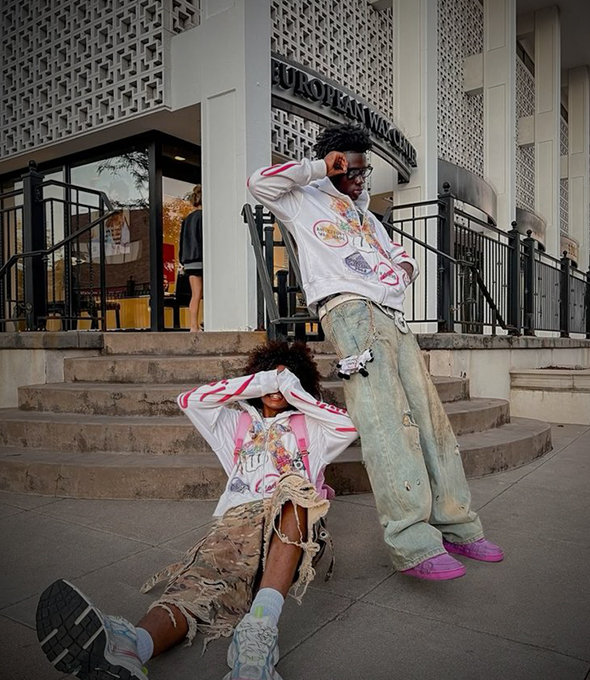 streetwear clothing manufacturers custom streetwear manufacturer Groovecolor premium streetwear manufacturers Groovecolor